
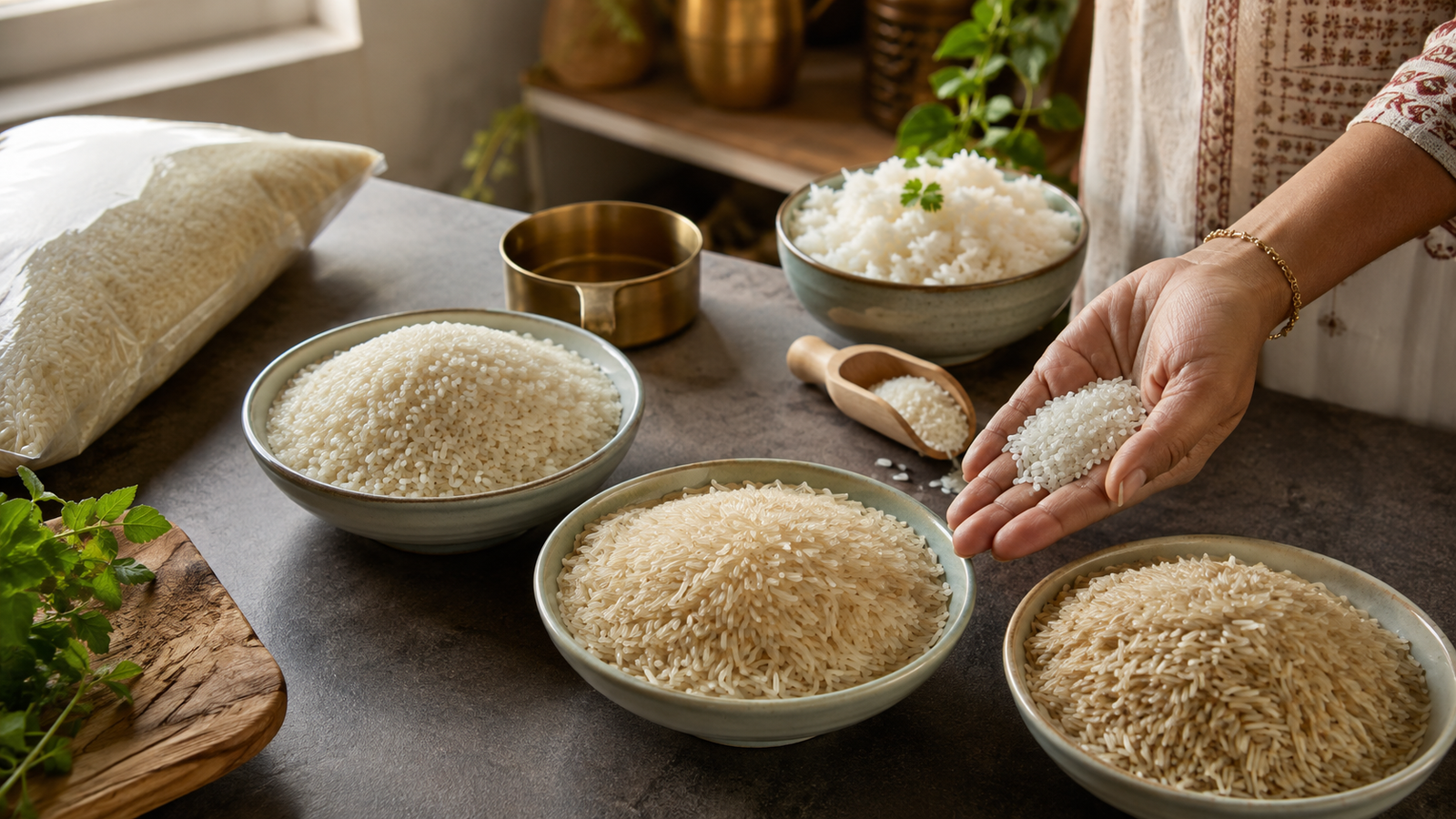
How to Choose the Best Rice for Daily Consumption in India
Rice is more than just a staple food in India—it is part of everyday life. From simple weekday lunches to family gatherings, the type of rice you choose affects taste, texture, cooking experience, and overall value.
But with so many options available in the market, choosing the best rice for daily consumption in India can feel confusing. Should you buy premium rice or regular rice? Does higher price mean better quality? Which rice works best for Bengali families? How do you identify good quality rice before buying?
This guide answers those questions and helps you make a smarter buying decision.
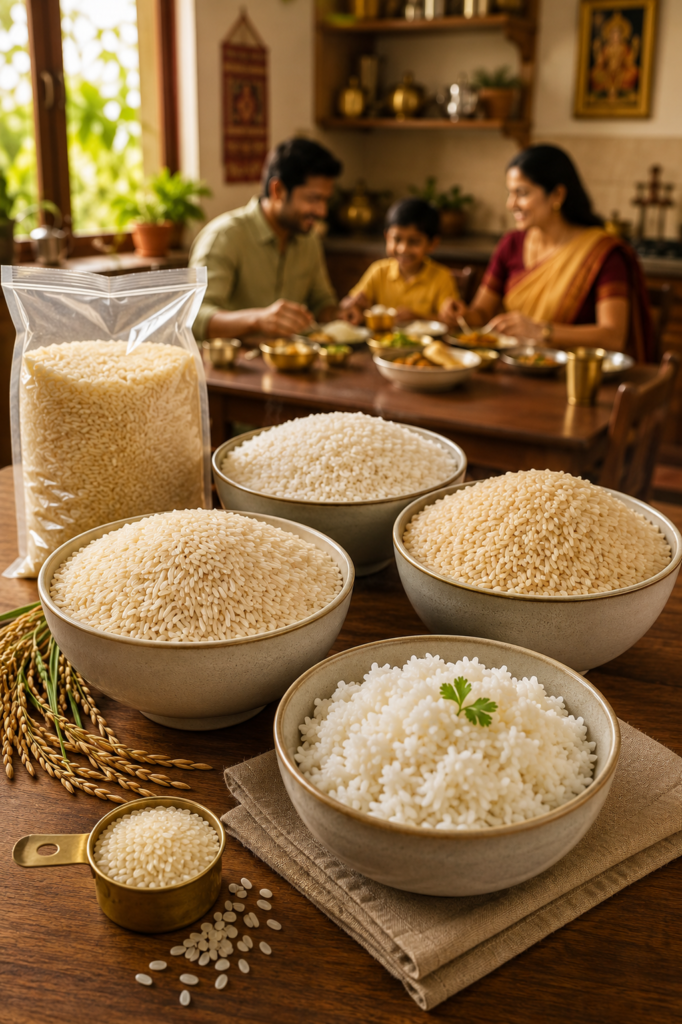
TL;DR
If you want the best rice for daily consumption in India, focus on:
- Family eating habits
- Grain consistency
- Texture after cooking
- Packaging and freshness
- Price vs long-term value
- Trusted rice brands
For many households, selecting the right rice means balancing quality, affordability, and daily usability.
Why Choosing the Right Daily Rice Matters
Many buyers choose rice only by price, but daily rice affects more than your grocery bill.
The right rice can improve:
- Meal consistency
- Cooking convenience
- Family satisfaction
- Portion efficiency
- Long-term value
A good rice choice means fewer cooking issues and better everyday meals.
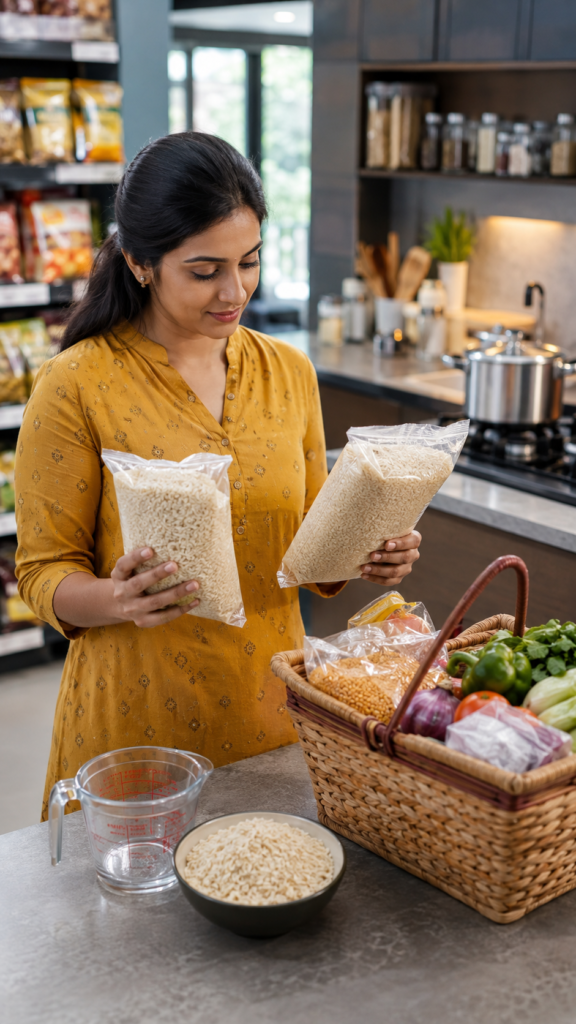
8 Things to Check Before Buying Rice
1. Understand Your Daily Cooking Needs
Before buying, ask:
- How many people eat at home?
- Is rice cooked once or multiple times daily?
- Do you prefer soft or fluffy texture?
- Do family members have different preferences?
For large families, consistency and cooking yield matter more than premium appearance.
2. Check Grain Length and Appearance
One of the easiest ways to identify quality is by observing the grain.
Look for:
- Uniform size
- Minimal broken grains
- Clean appearance
- Consistent color
Uneven grains often produce inconsistent cooking results.
3. Look for Grain Consistency
Consistency is one of the biggest indicators of quality.
Good rice should have:
- Similar grain size
- Balanced moisture
- Even cooking results
Consistent grains help create better texture and reduce waste.
4. Consider Texture and Eating Preference
Consistency is one of the biggest indicators of quality.
Good rice should have:
Soft Texture
Suitable for:
- Everyday home meals
- Traditional Bengali-style cooking
Light & Separate Texture
Suitable for:
- Lighter meals
- Modern cooking preferences
Your ideal choice depends on household preference rather than price alone.
5. Choose Rice Based on Family Size
Small Family (2–3 Members)
Choose:
- Smaller quantity packs
- Consistent premium quality
Medium Family (4–5 Members)
Choose:
- Balanced price and quality
Large Family (6+ Members)
Choose:
- Cost-efficient rice with reliable cooking results
Buying based on family size often creates better long-term value.
6. Compare Price vs Quality Instead of Lowest Price
Many people assume cheaper rice saves money.
But better questions are:
- Does it cook evenly?
- Does it absorb water properly?
- Is wastage lower?
- Is quality consistent?
Sometimes slightly better rice performs better over time.
7. Packaged Rice vs Loose Rice — Which Is Better?
|
Factor |
Packaged Rice |
Loose Rice |
|---|---|---|
|
Consistency |
Higher |
Variable |
|
Quality Control |
Better |
Depends |
|
Freshness |
Easier to verify |
May vary |
|
Brand Reliability |
Higher |
Limited |
Packaged rice often provides greater confidence for regular household buying.
When buying packaged food products, checking the label and relevant food safety information can help consumers make more informed purchasing decisions in line with guidance from the Food Safety and Standards Authority of India (FSSAI).
8. Buy From a Trusted Rice Brand
A trusted rice brand generally offers:
- Better consistency
- Controlled processing
- Better packaging
- Reliable quality standards
This becomes especially important for households buying rice regularly.
When choosing rice for everyday meals, exploring a trusted husking rice brand can help you compare different rice varieties based on your family’s texture preferences, cooking needs, and daily consumption habits.
Different Rice Types for Different Daily Needs
Not every rice type serves the same purpose.
For Everyday Family Meals
Rice with balanced texture and consistency usually works well.
Examples:
- Royal Miniket style rice
Suitable for:
- Daily lunches
- Family meals
- Regular consumption
For Softer Meal Preference
Dudheshwar-type rice may suit families who prefer softer cooked rice.
Suitable for:
- Traditional meal styles
- Comfort food preferences
For Traditional Household Preference
Banskathi-style rice may appeal to buyers looking for familiar household use patterns.
Suitable for:
- Daily cooking
- Family-style serving
Which Rice Is Better for Bengali Families?
In West Bengal, rice preference often depends on:
Daily Consumption Frequency
Families cooking rice multiple times a day usually prioritize consistency.
Texture Preference
Many households prefer softer and comfortable eating texture.
Value Per Meal
Daily rice should balance cost and cooking performance.
The best choice is not always the most expensive one—it is the rice that fits your household habits.
How to Identify High Quality Rice Before Buying
Use this quick checklist.
Rice Quality Checklist
- Uniform grain shape
- Minimal broken grains
- Clean appearance
- Fresh packaging
- Good cooking consistency
- Reliable source
If multiple boxes are checked, you are likely choosing a better option.
Common Mistakes People Make When Buying Rice
Avoid these common errors:
Buying Only by Price
Lower price does not always mean better value.
Ignoring Grain Quality
Appearance matters.
Choosing Without Family Preference
Texture preference influences satisfaction.
Switching Too Frequently
Consistency becomes difficult.
Buying Randomly Without Comparison
Spend a few minutes evaluating options.
Final Checklist: How to Choose the Best Rice for Daily Consumption in India
Before your next purchase, ask:
- Does my family enjoy this texture?
- Is grain quality consistent?
- Is packaging reliable?
- Does price match value?
- Is it suitable for everyday cooking?
Choosing the best rice for daily consumption in India becomes easier when you focus on quality, family preference, and long-term value instead of price alone.
Frequently Asked Questions
Which rice is best for daily consumption in India?
The best rice depends on family preference, cooking style, consistency, texture, and value.
How do I identify good quality rice?
Check grain uniformity, appearance, packaging, and cooking consistency.
Is premium rice worth buying?
Premium rice may offer improved consistency and quality, but the ideal choice depends on daily usage.
Which rice is commonly preferred in West Bengal?
Many households prefer rice varieties that provide comfortable texture and consistent everyday performance.
Should I buy packaged rice?
Packaged rice often offers more consistency and easier quality verification.
Conclusion
Choosing the right rice is not about buying the most expensive option—it is about selecting what fits your family’s daily habits.
By checking grain quality, comparing value instead of price, and understanding household needs, you can make smarter buying decisions and enjoy better everyday meals.
Explore different rice options and choose the one that suits your family’s daily lifestyle and taste preferences.