
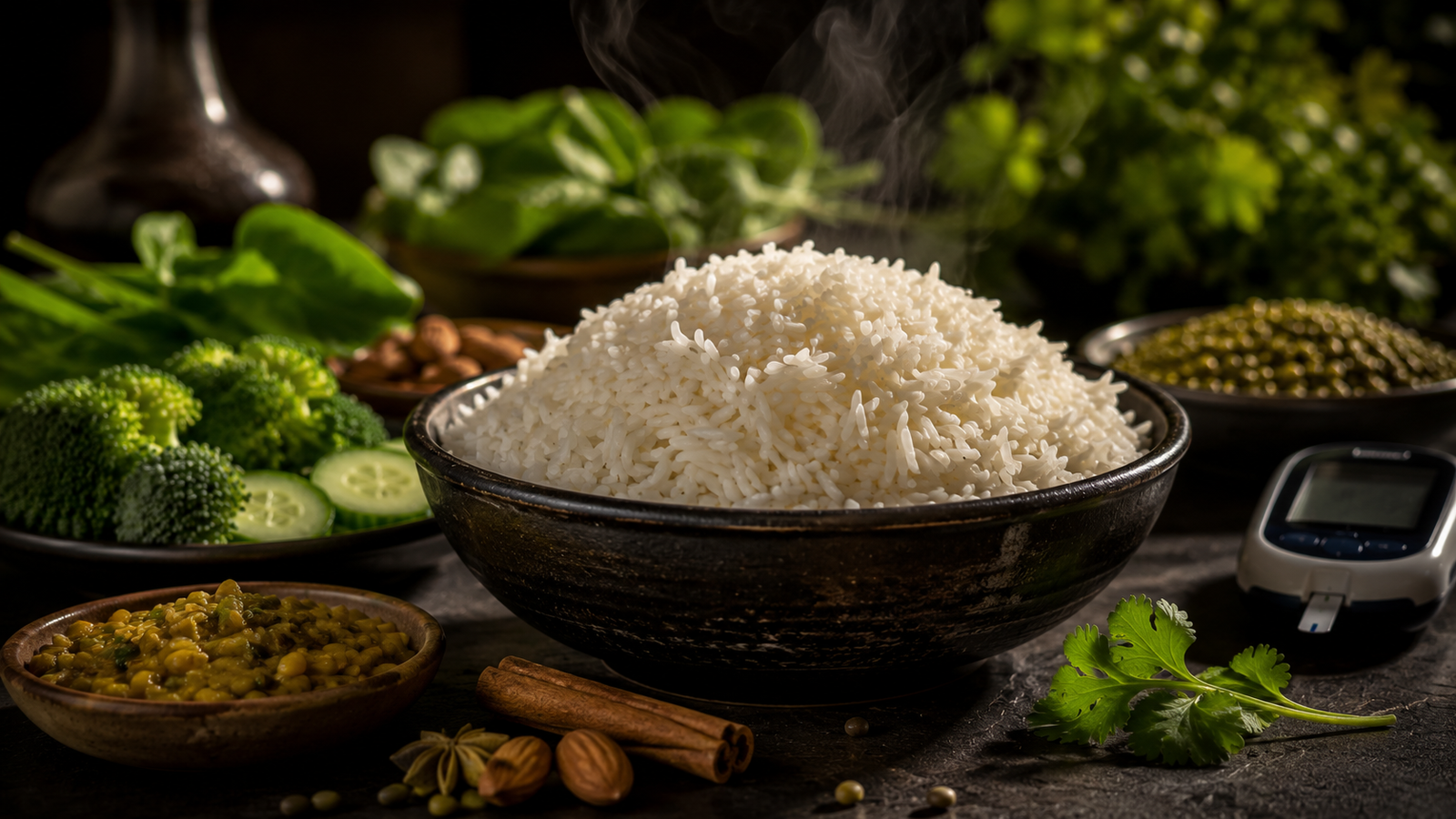
Best Rice for Diabetic Patients in India: Healthy Choices for Better Blood Sugar Control
Rice is one of the most loved staple foods in India. From steaming bowls of rice with dal to comforting khichdi and biryani, rice is deeply connected to Indian food culture. However, for diabetic patients, rice often becomes a confusing topic.
Many people believe that diabetics must completely stop eating rice. But is that really true?
The answer is no.
Diabetic patients can still enjoy rice — the key lies in choosing the right variety, controlling portion size, and combining rice with balanced foods.
In this detailed guide, we will explain the best rice for diabetic patients in India, how different rice varieties affect blood sugar levels, and smart ways to include rice in a diabetes-friendly diet.
TL;DR
Diabetic patients can eat rice in moderation. The best rice options for diabetics in India are low glycemic index (GI) varieties such as brown rice, basmati rice, red rice, black rice, hand-pounded rice, and parboiled rice. These rice varieties digest more slowly and help reduce sudden blood sugar spikes compared to highly polished white rice.
Can Diabetic Patients Eat Rice?
Yes, diabetic patients can eat rice.
Rice itself is not the enemy. The real issue is:
- Type of rice
- Portion size
- Cooking method
- Meal combinations
- Frequency of consumption
Diabetes management is all about controlling blood sugar levels. Some rice varieties digest quickly and raise blood glucose rapidly, while others digest more slowly and provide steady energy.
This is where the Glycemic Index (GI) becomes important.
What Is Glycemic Index (GI)?
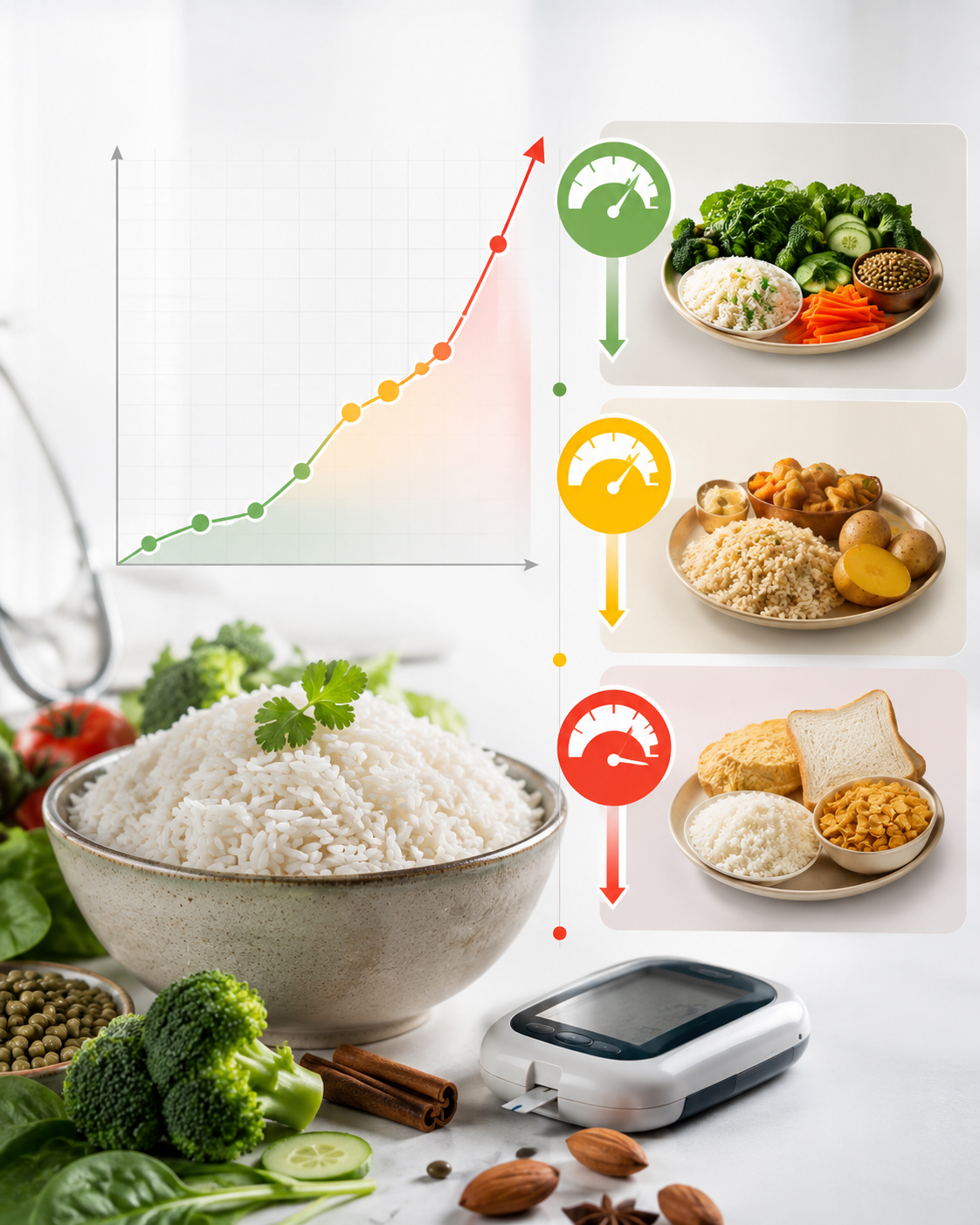
The Glycemic Index measures how quickly a food raises blood sugar levels after eating.
|
GI Score |
Category |
|---|---|
|
55 or less |
Low GI |
|
56–69 |
Medium GI |
|
70+ |
High GI |
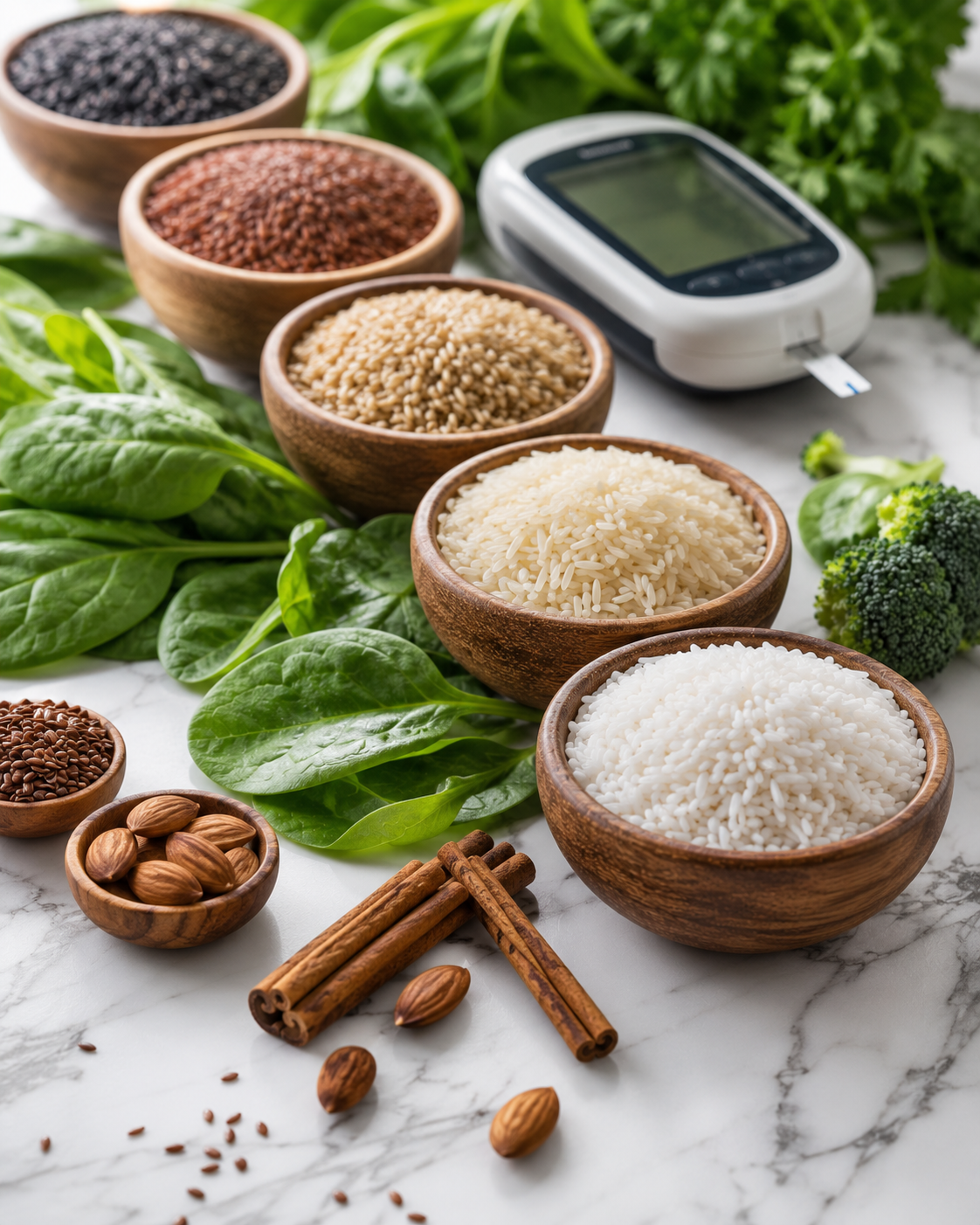
Foods with a lower GI are generally better for diabetic patients because they release glucose slowly into the bloodstream.
Rice varieties with more fiber, bran, and nutrients usually have a lower GI compared to highly polished white rice.
What Makes a Rice Variety Good for Diabetes?
Before choosing rice, it is important to understand what makes certain rice types healthier for diabetic patients.
1. Lower Glycemic Index
Low GI rice helps prevent sudden blood sugar spikes.
2. Higher Fiber Content
Fiber slows digestion and improves blood sugar control.
3. Less Processing
Less polished rice retains bran and nutrients.
4. Better Nutritional Value
Minerals, vitamins, antioxidants, and resistant starch improve overall health.
5. Easier Portion Control
Rice varieties that keep you full for longer may help prevent overeating.
Best Rice for Diabetic Patients in India
Here are some of the healthiest rice choices for diabetic patients.
1. Brown Rice
Brown rice is one of the most recommended rice varieties for diabetes.
Unlike white rice, brown rice retains its bran and germ layers, making it richer in fiber and nutrients.
Benefits of Brown Rice for Diabetes
- Lower GI than white rice
- Rich in fiber
- Helps improve digestion
- Keeps you full longer
- Slower glucose release
Nutrients Found in Brown Rice
- Magnesium
- B vitamins
- Fiber
- Antioxidants
Best Ways to Eat Brown Rice
- Brown rice khichdi
- Brown rice pulao
- Brown rice with dal and vegetables
Brown rice is ideal for people trying to manage both diabetes and weight.
2. Basmati Rice
Many people are surprised to learn that basmati rice can be a better choice for diabetics compared to regular white rice.
Traditional basmati rice has a lower glycemic index due to its long grain structure.
Why Basmati Rice Is Good for Diabetics
- Lower GI compared to regular white rice
- Less sticky texture
- Slower digestion
- Better portion satisfaction
Best Tip
Choose aged basmati rice instead of instant or highly processed versions.
Pair basmati rice with:
- Dal
- Paneer
- Fish
- Chicken
- Vegetables
This helps reduce the overall glycemic impact of the meal.
3. Red Rice
Red rice is becoming increasingly popular among health-conscious Indian families.
Its red color comes from anthocyanins, which are powerful antioxidants.
Benefits of Red Rice for Diabetes
- Rich in fiber
- Lower GI
- High in antioxidants
- Supports heart health
- Better digestion
Why It Works Well for Diabetics
Red rice digests slowly and provides steady energy.
It is especially suitable for people looking for minimally processed rice options.
4. Black Rice
Black rice is often called “forbidden rice” and is considered one of the most nutrient-rich rice varieties.
Benefits of Black Rice
- Very high antioxidant content
- Rich in fiber
- Supports metabolic health
- Helps manage blood sugar levels
Black rice may be slightly more expensive, but it offers excellent nutritional benefits.
It can be used in:
- Salads
- Rice bowls
- Healthy lunch recipes
5. Hand-Pounded Rice
Hand-pounded rice is a traditional Indian rice variety that undergoes minimal processing.
Unlike polished white rice, it retains more nutrients and fiber.
Benefits of Hand-Pounded Rice
- More natural nutrients
- Better fiber content
- Lower glycemic impact
- Traditional healthier alternative
This rice is gaining popularity among people looking for more natural and traditional food choices.
6. Parboiled Rice
Parboiled rice is partially boiled before milling.
This process changes the starch structure and may reduce the glycemic response compared to regular white rice.
Benefits of Parboiled Rice
- Lower GI than regular polished rice
- Better nutrient retention
- Improved digestion
- Longer-lasting energy
Parboiled rice is commonly consumed in many parts of India and can be a healthier alternative when eaten in moderation.
Rice Varieties Diabetics Should Limit
Not all rice varieties are ideal for diabetic patients.
The following types should be consumed carefully:
Highly Polished White Rice
Highly polished rice loses most of its fiber and nutrients.
It digests quickly and may cause faster blood sugar spikes.
Instant Rice
Instant rice is often more processed and has a higher GI.
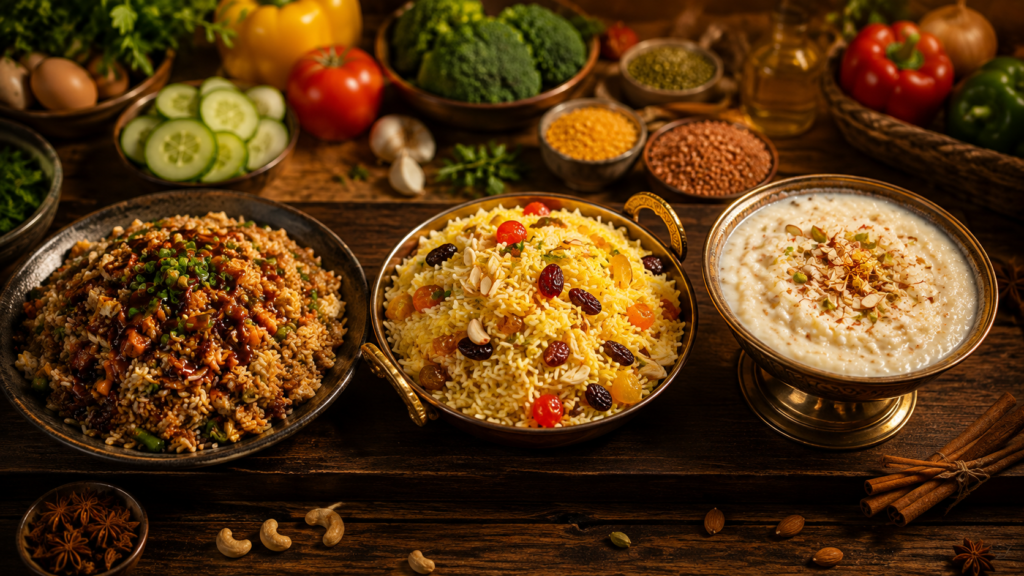
Sugary Rice Dishes
Avoid excessive consumption of:
- Sweet pulao
- Fried rice with sauces
- Sugary rice desserts
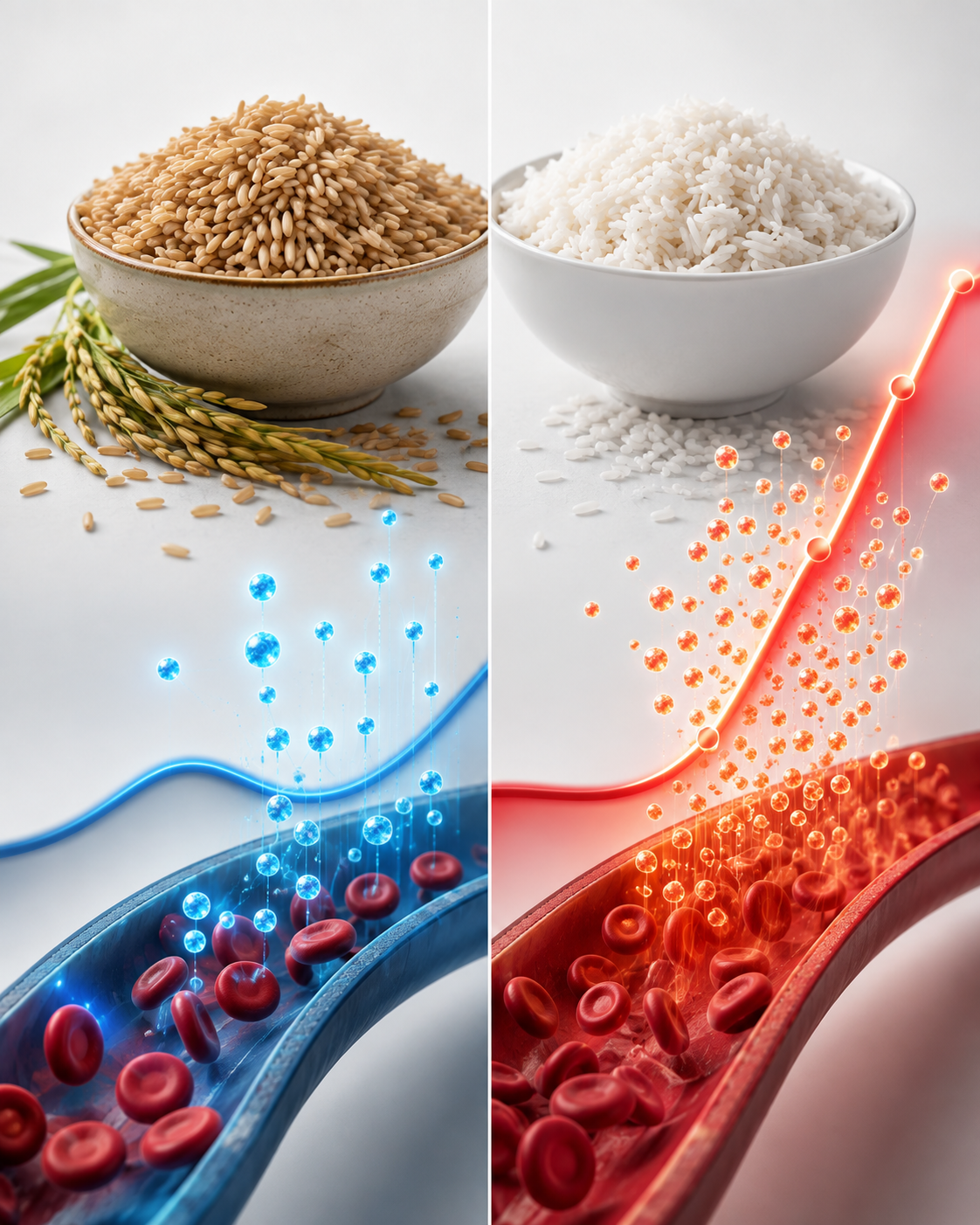
Brown Rice vs White Rice for Diabetes
|
Feature |
Brown Rice |
White Rice |
|---|---|---|
|
Fiber |
High |
Low |
|
GI |
Lower |
Higher |
|
Digestion |
Slower |
Faster |
|
Fullness |
Keeps full longer |
Less filling |
|
Nutrients |
More vitamins and minerals |
Fewer nutrients |
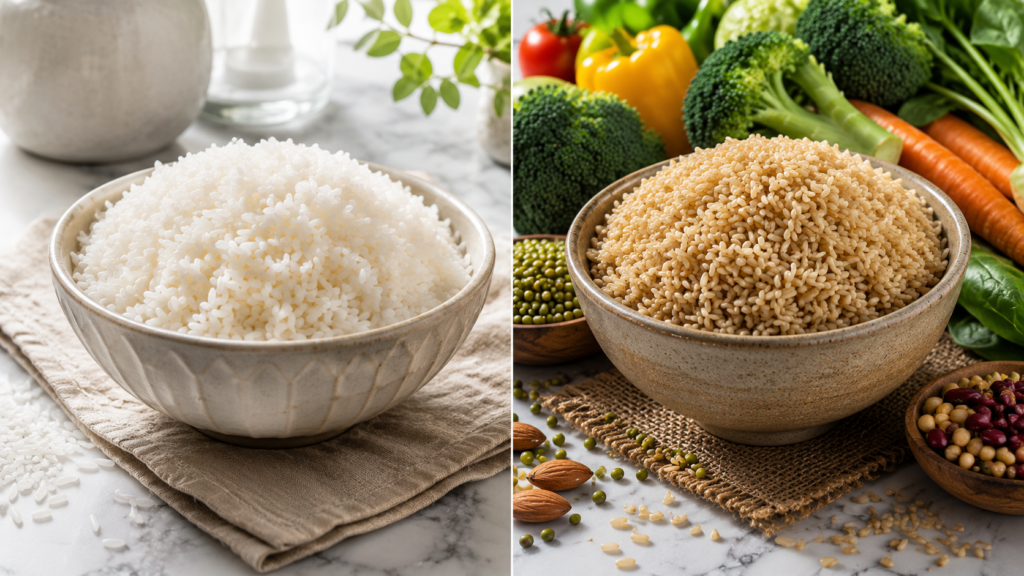
Brown rice is generally considered healthier for diabetic patients because of its fiber and slower digestion.
However, portion control remains important even with healthier rice options.
How Much Rice Can a Diabetic Eat Daily?
There is no single perfect quantity for everyone.
The ideal amount depends on:
- Age
- Activity level
- Medication
- Overall diet
- Blood sugar control
However, moderation is essential.
General Portion Tips
- Use smaller bowls
- Avoid overeating rice
- Balance meals with protein and vegetables
- Eat slowly
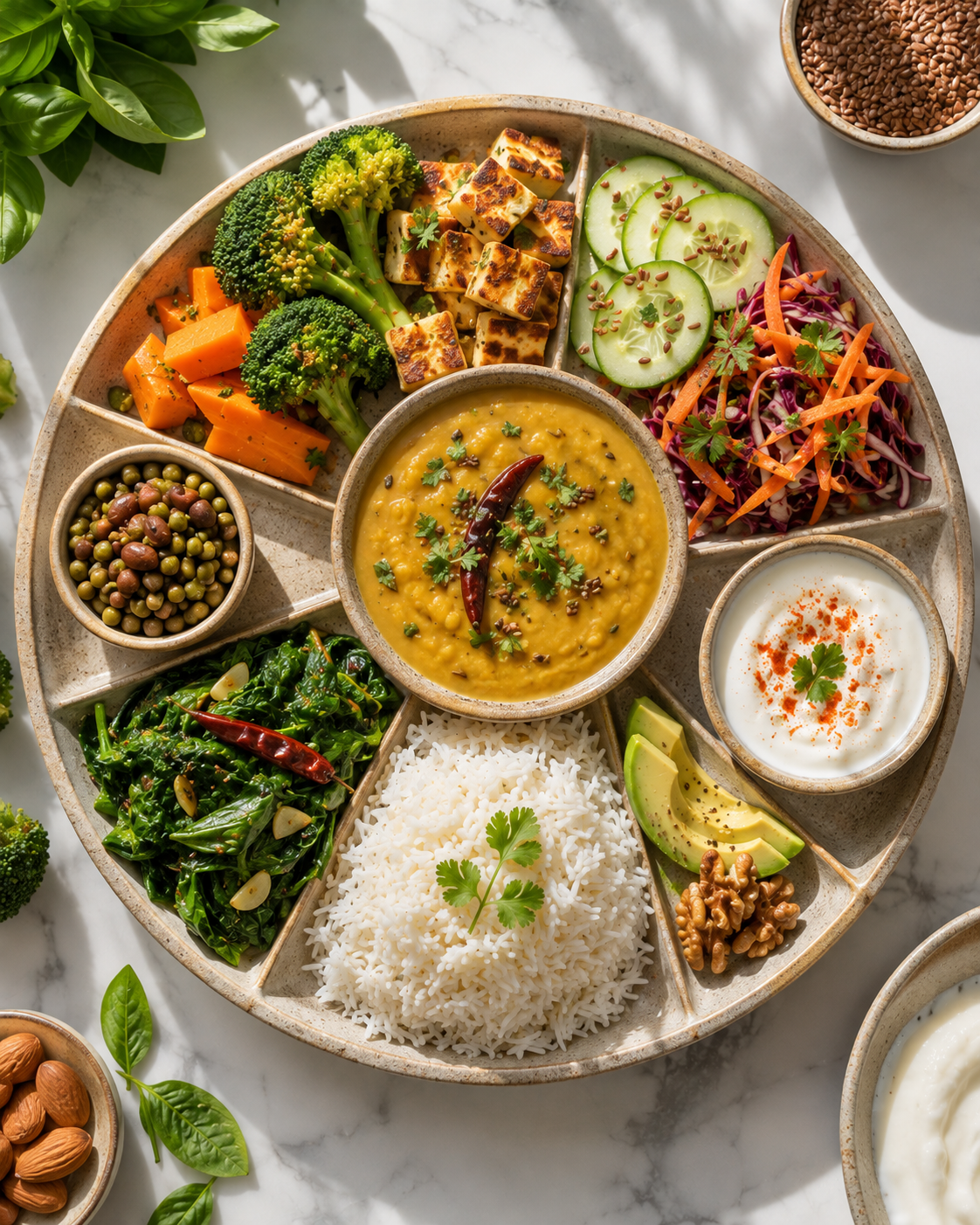
A balanced diabetic meal plate should include:
- 25% rice
- 25% protein
- 50% vegetables and fiber-rich foods
Tips to Reduce Blood Sugar Spikes After Eating Rice
These simple tricks can help diabetic patients enjoy rice more safely.
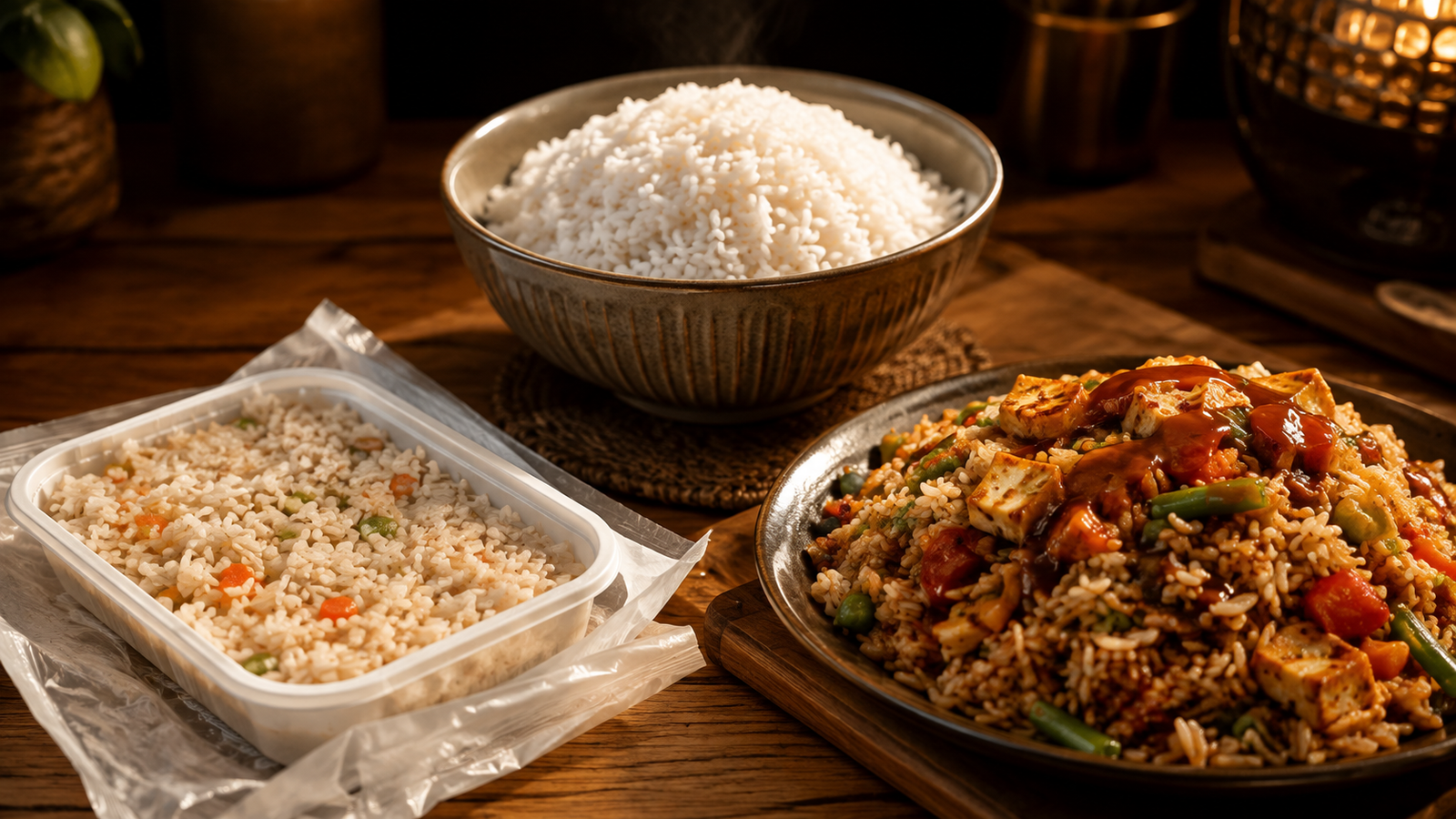
1. Cool Rice Before Eating
Cooling cooked rice increases resistant starch content.
Resistant starch digests more slowly and may reduce blood sugar spikes.
2. Add Protein to Meals
Pair rice with:
- Dal
- Eggs
- Paneer
- Fish
- Chicken
Protein slows carbohydrate absorption.
3. Include Fiber-Rich Vegetables
Vegetables improve satiety and reduce the meal’s glycemic impact.
Good choices include:
- Spinach
- Beans
- Carrot
- Cabbage
- Broccoli
4. Avoid Overcooking Rice
Overcooked rice may increase glycemic response.
Cook rice properly without making it overly soft.
5. Practice Portion Control
Even healthy rice can raise blood sugar if eaten excessively.
Moderation is the key.
Best Indian Meal Combinations for Diabetic Patients
Healthy meal combinations matter as much as the rice variety itself.
Healthy Rice Meal Ideas
Brown Rice + Dal + Mixed Vegetables
Balanced fiber and protein.
Basmati Rice + Grilled Fish + Salad
Good protein and slower digestion.
Red Rice + Sambar + Vegetable Stir Fry
Traditional and nutritious.
Hand-Pounded Rice + Moong Dal + Sabzi
Comforting and healthier.
Common Rice Myths Diabetic Patients Should Stop Believing
Myth 1: Diabetics Can Never Eat Rice
False.
The type and quantity matter more.
Myth 2: Brown Rice Has Zero Effect on Blood Sugar
False.
Even brown rice contains carbohydrates and should be eaten in moderation.
Myth 3: Skipping Rice Automatically Improves Diabetes
Not always.
Overall lifestyle and total diet quality are more important.
Is Rice Better Than Roti for Diabetes?
This depends on:
- Portion size
- Type of flour
- Cooking method
- Meal balance
Some people digest rice better, while others respond better to roti.
Low GI rice varieties combined with protein and vegetables can fit into a diabetes-friendly diet.
Healthy Lifestyle Tips for Diabetic Patients
Managing diabetes is not just about avoiding sugar.
Healthy habits include:
- Daily physical activity
- Proper sleep
- Stress management
- Balanced nutrition
- Staying hydrated
- Regular blood sugar monitoring
Choosing healthier rice varieties can support better long-term health.
Why Choosing Better Rice Matters for Indian Families
Rice is deeply connected to Indian traditions and everyday meals.
Instead of completely avoiding rice, smarter choices can help families enjoy traditional food while supporting healthier lifestyles.
Choosing minimally processed, fiber-rich rice varieties may help:
- Improve digestion
- Support energy levels
- Promote better satiety
- Reduce sudden blood sugar spikes
Discover Healthier Rice Choices with Appayan Rice
At Appayan Rice, we understand how important quality rice is for Indian families.
Choosing the right rice variety can make everyday meals healthier and more balanced.
Whether you prefer traditional rice, healthier alternatives, or nutrient-rich options, selecting quality rice can support better nutrition without giving up the foods you love.
Frequently Asked Questions (FAQs)
Which rice is best for diabetic patients in India?
Brown rice, basmati rice, red rice, black rice, hand-pounded rice, and parboiled rice are considered better choices for diabetic patients because they generally have a lower glycemic impact.
Can diabetic patients eat white rice?
Yes, diabetic patients can eat white rice in moderation. Pairing it with protein and vegetables may help reduce blood sugar spikes.
Is basmati rice good for diabetics?
Yes, traditional basmati rice has a lower glycemic index compared to many regular white rice varieties.
How much rice can a diabetic eat?
Portion size varies from person to person. Moderation and balanced meals are important.
Does cooling rice reduce sugar spikes?
Cooling cooked rice may increase resistant starch, which can help slow digestion and reduce blood sugar response.
Final Thoughts
Rice does not have to disappear from a diabetic diet.
The real goal is to choose healthier rice varieties, control portions, and build balanced meals.
Brown rice, basmati rice, red rice, black rice, hand-pounded rice, and parboiled rice can all be smarter alternatives compared to highly polished white rice.
For Indian families, healthy eating should feel practical and sustainable — not restrictive.
By making informed choices, diabetic patients can continue enjoying rice while supporting better blood sugar management and overall wellness.